
Species Name
Bigeye Houndshark
Scientific Name
Iago omanensis (norman, 1939)
Family Name
Triakidae
IUCN Status
Least Concern
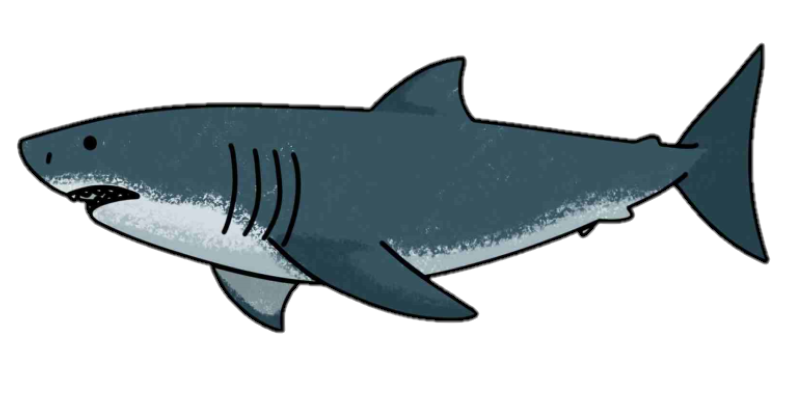
Brown or grey dorsally, lighter below; dorsal and caudal fins may have darker tips and leading edges.
Biology
Length: This species reaches a maximum size of 77 cm total length (TL), males mature at 45–55 cm TL and female size-at-maturity is unknown. Individuals hatch at less than 12 cm TL
Gestation period: Incubation for a total 114 days.
Litter Size: 7-15 successfully hatched individuals (out of around 20 eggs laid)
Life Expectancy: 7 years (generation)
Diet: Probably feeds mainly on invertebrates
Habitat and distribution
Habitat: The Bigeye Houndshark occurs on the continental shelf and slopes.
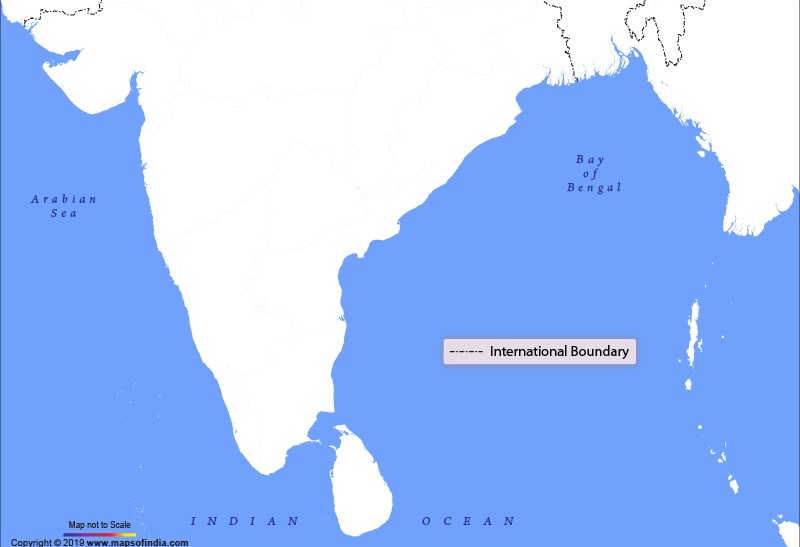
Distribution: The Bigeye Houndshark occurs in the Western Indian Ocean from the Rea Sea to India. This was not previously thought to be found in the Arabian/Persian Gulf, but it has been landed around Qeshm island in the Gulf by Iranian fishers. There is at least one and possibly two additional species in the region; the Bay of Bengal species may be distinct and there are records suggesting a separate species off east India and Sri Lanka.
Depth: 110-1000 m
Landing site: Royapuram Fishing Harbour, Cuddalore Fishing Harbour and Nagapattinam Fishing Harbour, Royapuram Fishing Harbour, Cuddalore Fishing Harbour, Nagapattinam Fishing Harbour, Cochin Fisheries Harbour, Porbandar, New Ferry Wharf, Digha Mohana, Veraval, Mangrol, Porbander, Okha
Commercial value
The meat of this species is often sold fresh for human consumption at local markets. Fins are not considered valuable due to their small size. In India, offal is sometimes processed into fishmeal.
Threats
This species is taken in industrial and artisanal trawl fisheries in India. In the main part of the Red Sea, shrimp trawlers usually take this species as retained and marketed bycatch.
References
Raje, S.G., Sivakami, S., Mohanraj, G., Manojkumar, P.P., Raju, A. and Joshi, K.K. (2007)
An atlas on the Elasmobranch fishery resources of India. CMFRI Special Publication, 95. 1-253.
Psomadakis, P.N., Htun Thein, Russell, B.C. and Mya Than Tun (2019)
Field identification guide to the living marine resources of Myanmar. FAO Species Identification Guide for Fishery Purposes. FAO and MOALI, Rome.
Akhilesh, K.V., Ganga, U., Pillai, N.G.K., Vivekanandan, E., Bineesh, K.K., Shanis, C.P.R. and Hashim, M. (2011)
Deep-sea fishing for chondrichthyan resources and sustainability concerns— a case study from southwest coast of India. Indian Journal of Geo-Marine Sciences 40(3): 347-355.
Barnes, A., Sutaria, D., Harry, A.V. and Jabado, R.W. (2018)
Demographics and length and weight relationships of commercially important sharks along the north‐western coast of India. Aquatic Conservation: Marine and Freshwater Ecosystems 28(6): 1374–1383.