
Species Name
Smalleye Hammerhead
Scientific Name
Sphyrna tudes (valenciennes, 1822)
Family Name
Sphyrnidae
IUCN Status
Critically Endangered
The most distinctive characteristic of this species is its striking bright orange or yellow color.
Biology
Length: It reaches a maximum size of 150 cm total length (TL); females reach maturity at 98 cm TL and males at 80 cm TL. Size-at-birth is 30 cm TL.
Gestation Period: 10 months
Litter Size: 5-12 pups
Life Expectancy: Generation length is estimated to be 12.3 years.
Diet: Feeds on small bony fishes, including sea catfish and grunts, but also newborn scalloped hammerheads, swimming crabs, squids, and shrimp.
Habitat and distribution
Habitat: The Smalleye Hammerhead inhabits inshore waters over the continental shelf and nursery grounds are found off shallow muddy beaches.
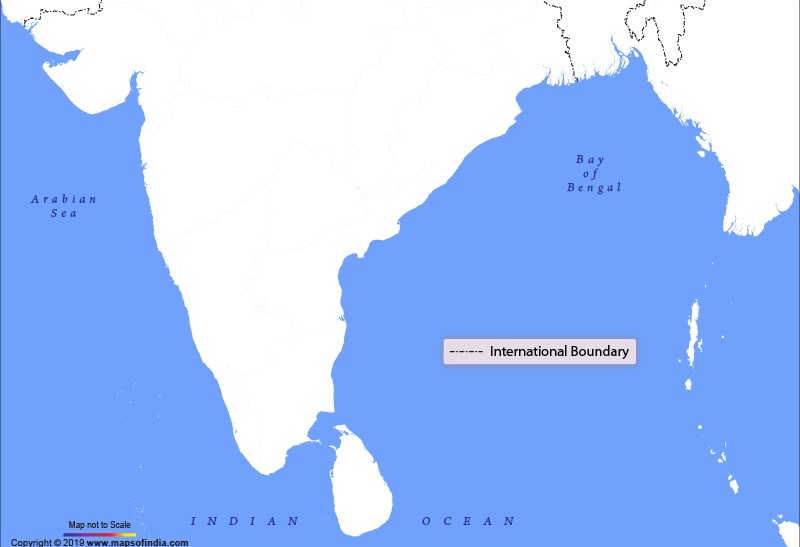
Distribution: The Smalleye Hammerhead occurs in the Western Central and Southwest Atlantic from Colombia to the Rio de La Plata, Buenos Aires Province, Argentina. Historical records from the Mediterranean are erroneous and refer to specimens of the Scalloped Hammerhead (Sphyrna lewini).
Depth: 5-80 m
Landing sites: Junglighat, Burma Nallah
Commercial Value
Hammerheads are among the main shark species in the fin trade and are among the preferred species for shark fin soup. Although other larger congeners are preferred in trade, it is likely that this species also enters the international market, as demand for smaller fins is increasing. The meat is likely consumed or sold locally, but may also be exported to Brazil where demand is rising. In Colombia, it is consumed by Indigenous communities.
Threats
The Smalleye Hammerhead is captured in commercial and artisanal beach seines, gillnets, longlines, and trawls. Artisanal fisheries are intense across much of coastal Atlantic South America, and there are largely unmanaged commercial trawl and longline fisheries in many areas.
References
Ebert, D.A., Fowler, S. and Compagno, L. (2013)
Sharks of the World. Wild Nature Press, Plymouth.
McEachran, J.D. and Seret, B. (1987)
Allocation of the name Sphyrna tudes (Valenciennes, 1822) and status of the nominal species Sphyrna couardi Cadenat, 1951 (Chondrichthyes, Sphyrnidae). Cybium 11(1): 39–46.
Mejía-Falla, P.A. and Navia, A.F. (2019)
Checklist of marine elasmobranchs of Colombia. Universitas Scientiarum 24(1): 241–276.
Tortonese, E. (1951)
Studio sui Plagiostomi V – Ulteriori considerazioni sulle specie mediterranee dei generi Sphyrna e Carcharhinus. Ann. Mus. St. Nat. 20(1): 1–8.
Frazier, B.S., Driggers, W.B., Adams, D.H., Jones, C.M. and Loefer, J.K. (2014)
Validated age, growth and maturity of the bonnethead Sphyrna tiburo in the western North Atlantic Ocean. Journal of Fish Biology 85: 688-712.
Weigmann, S. (2016)
Annotated checklist of the living sharks, batoids and chimaeras (Chondrichthyes) of the world, with a focus on biogeographical diversity. Journal of Fish Biology 88(3): 837-1037.
Cardeñosa, D., Shea, K.H., Zhang, H., Feldheim, K., Fischer, G.A. and Chapman, D.D. (2020)
Small fins, large trade: a snapshot of the species composition of low‐value shark fins in the Hong Kong markets. Animal Conservation 23: 203–211.
Dent, F. and Clarke, S. (2015)
State of the global market for shark products. FAO Fisheries and Aquaculture Technical Paper No. 590. Food and Agriculture Organization of the United Nations (FAO), Rome, Italy. 187 pp.
Duarte, L.O., Manjarrés, L., and Escobar, F. (2010)
Bottom trawl bycatch assessment of the shrimp fishery in the Caribbean Sea off Colombia. Proceedings of the Gulf and Caribbean Fisheries Institute 62: 114-119.
Puentes-Cañón, G.M., Pavía-Bermúdez, A., Reyes-Sánchez, F.J., Ramírez-Téllez, J.G., Camargo-Barliza, M.C., Mejía-Epinayú, L.F. and Epiayú-Martínez, R. (2012)
Catálogo de Especies Asociadas a la Actividad Pesquera Artesanal Wayuu - Caribe Colombiano. Fundación Ecosfera, Riohacha, Colombia.
JI Castro (1989)
The biology of the golden hammerhead,Sphyrna tudes, off Trinidad- Environmental Biology of Fishes- Springer, 1989