
Species Name
Sickelfin Weasel Shark
Scientific Name
Hemigaleus microstoma (bleeker, 1852)
Family Name
Hemigaleidae
IUCN Status
Vulnerable
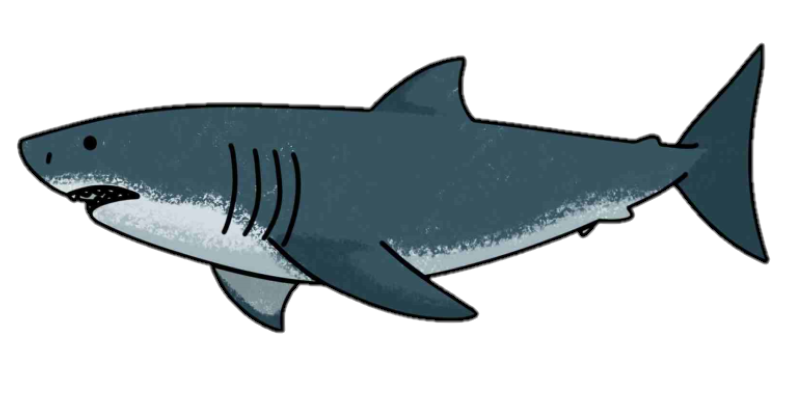
Medium-sized shark with moderately long head; dorsal fins slightly raked back, moderately or not falcate, moderately low; height of first dorsal fin 2.6-3 in head length (HL); length of first dorsal fin 2.1-2.4 times its height; caudal-fin upper lobe moderately broad, not elongate; caudal-fin ventral lobe short, preventral margin 9.3-9.8% TL; pectoral fins broad, falcate, base length 2.1-2.4 in preventral caudal margin; claspers of adults moderately short, inner length 5.4-5.6% TL, 1.8-1.8 in pelvic midpoint to first dorsal-fin insertion; teeth in 28-30/46-52 rows; precaudal vertebral centra 65-70, total vertebral centra 112-121; second dorsal fin with a conspicuous dark tip; first dorsal fin with a pale posterior margin.
Biology
Length: It reaches a maximum size of 114 cm total length (TL), males mature at 72–91 cm TL and females mature at ~85 cm TL. Size-at-birth of 26–28 cm TL.
Gestation Period: Unknown
Litter Size: 2-4 pups (2 litters a year)
Life Expectancy: Generation length was inferred to be 9 years.
Diet: Unknown
Habitat and distribution
Habitat: A predominantly demersal species on continental and insular shelves from shallow, inshore bays down to 170 meters.
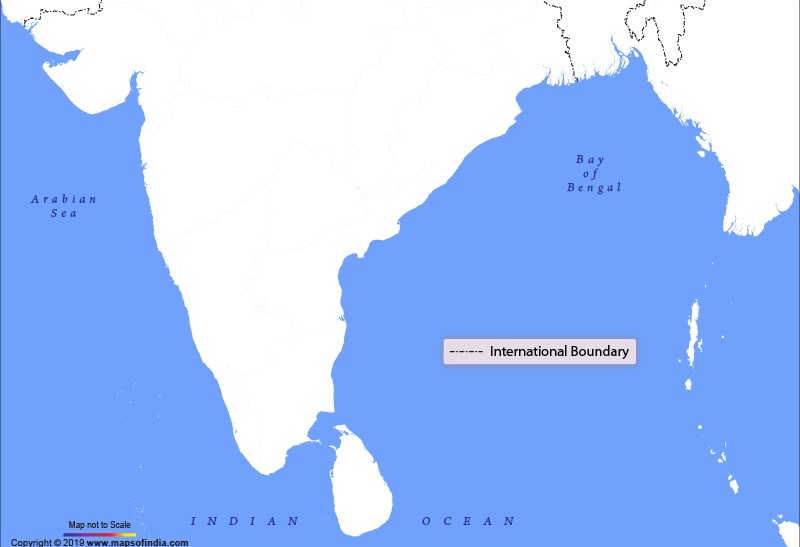
Distribution: The Sicklefin Weasel Shark has a patchy distribution in the Indian, Western Central, and Northwest Pacific Oceans where it occurs from India to Taiwan and possibly in the Red Sea. This species is included in checklists within the Red Sea region, however, it has not been observed in recent surveys, nor has it been caught by fishermen recently.
Depth: 0-170 m
Landing sites:
Commercial Value
The meat is used for human consumption fresh or salted and dried. Heads and other discarded parts may be used as fish bait in traps. In some cases, shark jaws and teeth are cleaned and sold as souvenirs. In Malaysia, small sharks, such as this species, are sent to fish mill factories and used for fertilizer.
Threats
Throughout its distribution, the Sicklefin Weasel Shark is caught in coastal fisheries by demersal trawl, tangle nets, set nets, gill nets, droplines, longlines, and Danish seine. It is taken as retained bycatch in industrial and artisanal fisheries. In India, there is high level of fisheries exploitation with most stocks fully exploited. Juveniles are found in estuaries and high fishing effort, particularly with stake and doll nets, occurs in this habitat. The majority of the geographic distribution of this species in the region overlaps with intense coastal fisheries.
References
Blaber, S., Dichmont, C.M., White, W.T., Buckworth, R.C., Sadiyah, L., Iskandar, B., Nurhakim, S., Pillans, R.D., Andamari, R., Dharmadi and Fahmi (2009)
Elasmobranchs in southern Indonesian fisheries: the fisheries, the status of the stocks and management options. Reviews in Fish Biology and Fisheries 19: 367–391.
CMFRI (2010)
Marine Fisheries Census (2010), Part 1. India, Govt. of India, Ministry of Agriculture, Dept. of Animal Husbandry, Dairying & Fisheries and Central Marine Fisheries Research Institute, Indian Council of Agricultural Research. New Dehli.
Department of Fisheries Malaysia (2006)
Malaysia National Plan of Action for the Conservation and Management of Shark. Ministry of Agriculture and Agro-based Industry, Putrajaya.
Ebert, D.A., Fowler, S. and Compagno, L. (2013)
Sharks of the World. Wild Nature Press, Plymouth.
Simpfendorfer, C.A., Chidlow, J., McAuley, R.B. and Unsworth, P. (2000a)
Age and growth of the whiskery shark, Furgaleus macki from southwestern Australia. Environmental Biology of Fishes 58: 335-343.
Spaet, J.L.Y. and Berumen, M.L. (2015)
Fish market surveys indicate unsustainable elasmobranch fisheries in the Saudi Arabian Red Sea. Fisheries Research 161: 356-364.
Spaet, J.L.Y, Nanninga, G.B. and Berumen, M.L. (2016)
Ongoing decline of shark populations in the Eastern Red Sea. Biological Conservation 201: 20-28.
Weigmann, S. (2016)
Annotated checklist of the living sharks, batoids and chimaeras (Chondrichthyes) of the world, with a focus on biogeographical diversity. Journal of Fish Biology 88(3): 837-1037.